Why Water Extraction Is Only the First Step
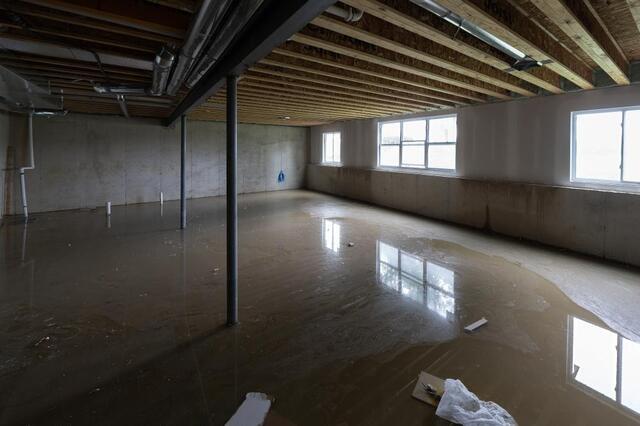
When a basement floods, or an appliance or plumbing system fails, the first concern on any homeowner’s mind is getting the water out of the structure as quickly as possible. After the basement is pumped out or extracted, it can feel like the emergency is over.
Unfortunately, removing the visible water is often only the beginning.
Water can travel throughout a structure, getting beneath flooring, behind walls, into insulation, under baseboards and through porous building materials. Even when the basement looks dry on the surface, significant moisture may still be present where it can’t be seen.
The longer those materials remain wet, the more complicated the restoration process can become.
Time Matters Most After a Water Loss
How quickly a water loss is discovered can have a major impact on what happens next.
A basement that is addressed shortly after a clean-water loss may have materials that can be dried and saved. When that same space remains wet for several days, conditions can change.
Carpet padding may remain saturated. Drywall can absorb moisture well above the visible water line. Wood materials can swell or distort. Adhesives can begin to fail. Odors can develop, and microbial growth can become a concern.
This is why restoration professionals look at more than the amount of water that was originally present. We also consider how long materials have been wet, the source of the water, which materials were affected and the conditions inside the building.
Extraction is Only the First Step
Removing standing water is critical, but professional water mitigation typically involves several additional steps.
After extraction, technicians may perform moisture mapping to determine how far the water traveled and which materials are still holding moisture. Moisture meters and other specialized equipment can help identify areas that may look dry but have not yet reached an acceptable drying standard.
Depending on the loss, additional steps can include removing wet carpet and padding, removing baseboards where necessary, installing professional drying and dehumidification equipment, monitoring moisture levels throughout the drying process, and cleaning or treating affected surfaces where appropriate.
The goal is not simply to make the room look dry. It is to properly dry the affected structure.
Why Some Materials Can Be Saved And Others Cannot
One of the most common questions we hear after a water loss is, “Can this be saved?”
Sometimes the answer is yes. Other times, removal is the safer and more practical option.
The answer depends on several factors, including the type of material, the source and category of the water, how long the material has been wet, and whether it can be effectively cleaned and dried.
For example, certain flooring or structural materials may respond well to specialized drying techniques when a loss is caught quickly. Materials that have remained saturated for an extended period may no longer be good candidates for restoration.
That determination should be based on the actual conditions in the home rather than appearance alone.
A Basement Can Look Dry Before It Is Dry
This is one of the most important things for homeowners to understand.
Concrete, drywall, wood framing, flooring systems and other materials can retain moisture long after the standing water has been removed.
A fan and a household dehumidifier may make the room feel better, but that does not necessarily mean all affected materials have been properly dried.
Professional drying is a process. Equipment is installed based on the conditions of the loss, and moisture levels are monitored as the structure dries. Adjustments may be made along the way until the affected materials reach appropriate drying goals.
What Happens When Water Sits for Several Days
When water remains in contact with building materials for several days, the situation can look very different than it did during the first few hours of the loss.
Materials that may have initially been candidates for drying can become increasingly difficult to restore. Drywall can lose integrity, insulation can remain saturated, flooring systems can swell or separate, and wood-based materials can absorb significant amounts of moisture. Wet carpet and padding can also hold moisture against the materials beneath them.
Just as importantly, prolonged moisture can create conditions that support microbial growth.
This does not mean every wet basement automatically becomes a mold remediation project. It does mean that the longer materials remain wet, the more important it becomes to carefully evaluate what can still be dried, what can be cleaned and what may need to be removed.
This is one of the reasons responding quickly to a water loss can make such a significant difference.
When Mold Becomes Part of The Conversation
Mold needs moisture to grow, which is why controlling moisture is such an important part of preventing a water loss from becoming a larger problem.
When materials remain wet for an extended period, particularly in warm or humid conditions, microbial growth may begin developing on or within affected materials.
Sometimes that growth is visible. Other times, it may be discovered behind baseboards, beneath flooring, inside wall cavities or on materials exposed during the mitigation process.
At that point, simply drying the structure may no longer address everything that is present.
Affected areas may need to be evaluated for additional cleaning, removal or remediation. Depending on the conditions, this can include establishing containment, using HEPA-filtered air scrubbers, removing unsalvageable materials and thoroughly cleaning remaining surfaces.
The important distinction is that these decisions should be based on what is actually happening inside the structure.
Not Every Water Loss Requires a "Cut and Gut"
Professional restoration is not about automatically removing everything that got wet.
Whenever practical, the goal should be to determine what can be safely restored and dried before deciding what needs to come out.
That requires information.
Moisture readings, the types of materials involved, the water source, the amount of time that has passed and the condition of the affected materials all help guide that decision.
A loss discovered quickly may allow for more aggressive drying and fewer materials being removed. A basement that has remained wet for several days may require a much more extensive scope of work.
Neither decision should be based simply on what the room looks like from the doorway.
Drying Is Something We Can Measure
One of the biggest differences between professional structural drying and simply putting a few fans in a basement is that professional drying is monitored.
Technicians establish drying goals, take moisture readings and track how affected materials respond over time. Dehumidification and air movement can then be adjusted based on the conditions inside the structure.
This allows the restoration team to determine whether materials are actually drying instead of assuming they are dry because the surface feels dry.
It also provides important information when deciding whether a material should continue to be dried or whether removal has become necessary.
The goal is not to run equipment for a predetermined number of days. The goal is to return affected materials to an appropriate drying standard.
The Decisions Make Early Can Affect the Entire Restoration Project
Water damage changes with time.
The decisions made during the first hours and days following a loss can influence how much of the structure can be saved, how extensive the mitigation becomes and whether additional concerns, such as microbial growth, develop.
That is why pumping out a basement should not automatically be considered the end of the emergency.
Once the visible water is gone, the next questions should be:
Where else did the water travel?
What materials are still wet?
Can those materials be dried and restored?
Are there conditions developing that need to be addressed before they become a larger problem?
At Professional Cleaning and Restoration Systems, our IICRC-trained restoration team approaches water losses with those questions in mind. We use moisture mapping, professional extraction, structural drying, dehumidification and ongoing monitoring to understand what is happening beyond what can be seen on the surface.
When a water loss has gone undiscovered for several days, we can evaluate the affected materials and determine what can still be restored and what may require removal or remediation.
Water emergencies do not follow business hours. PCRS is available 24 hours a day, 7 days a week, 365 days a year to respond when water enters your home.
Because getting the water out is important.
Making sure the structure is actually dry is what finishes the job.